

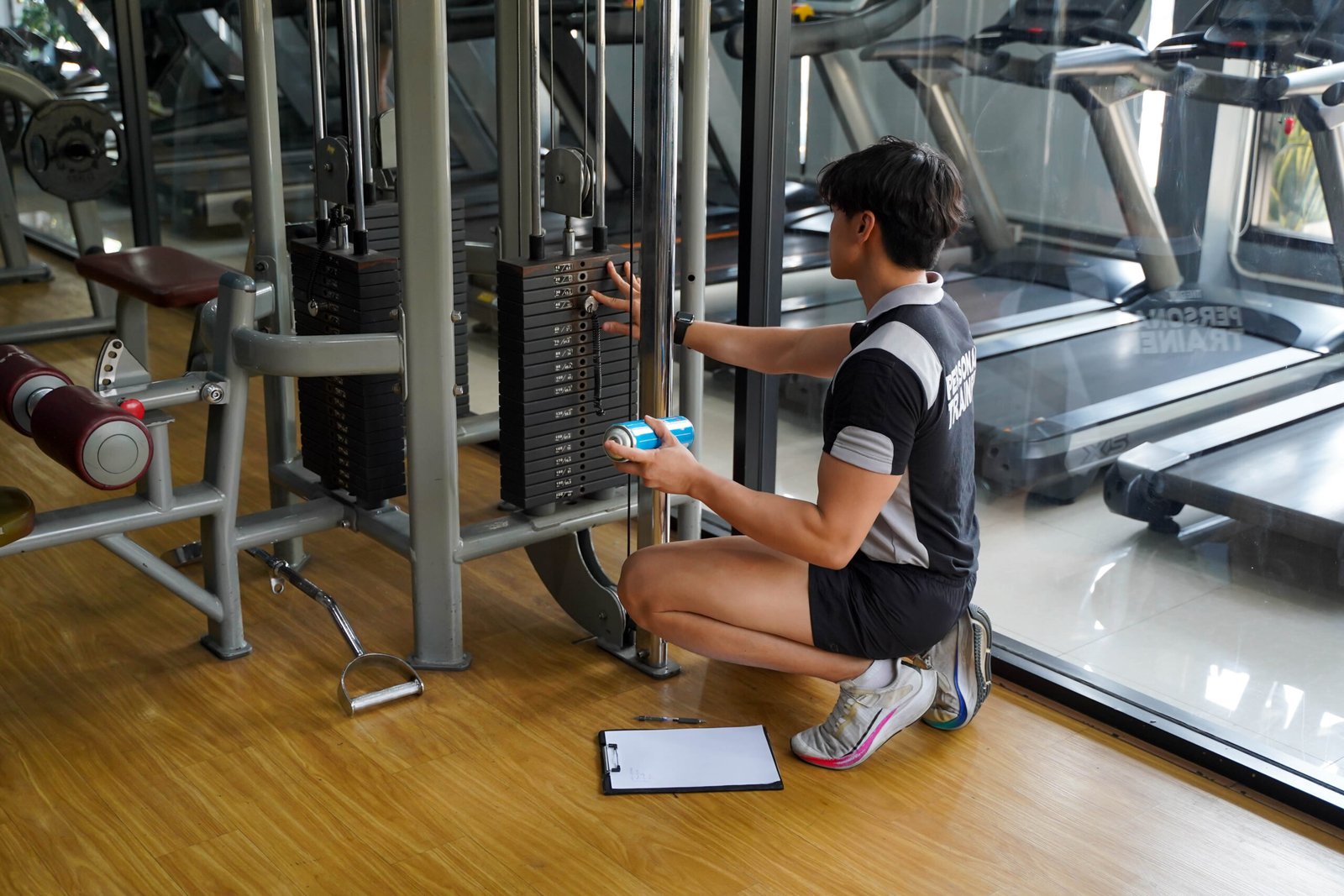
A gym preventive maintenance plan is the structured framework that keeps commercial fitness equipment operational, safe, and compliant, replacing reactive breakdown fixes with scheduled, costed, documented care. In UAE hotels, resorts and health clubs, where gym facilities operate 16–18 hours a day in high ambient temperature and humidity, a well-built PPM plan is not optional. This guide walks through every stage of building one: asset inventory, maintenance frequency scheduling, equipment-specific tasks, KPIs, contractor management and Dubai Municipality compliance documentation.
Why a Gym Preventive Maintenance Plan Is Non-Negotiable in the UAE
In temperate climates, gym equipment maintained on manufacturer-recommended intervals performs reliably. In the UAE, those same intervals are inadequate ambient heat, humidity, dust and the demand pattern of a market that expects 24-hour gym access accelerate equipment wear significantly. A gym preventive maintenance plan that works in Europe will underserve a Dubai hotel gym without UAE-specific adjustments to frequency and scope.
45°C+
16–18h
Build Your Asset Inventory — The Foundation of Every Gym Preventive Maintenance Plan
A gym preventive maintenance plan is only as complete as its asset inventory. Every maintenance schedule, task list, and KPI flows from knowing exactly what equipment exists, what condition it is in, and when it was last serviced. Many UAE gyms particularly hotel gyms that have grown through ad hoc equipment additions over several years have no accurate, current asset register. Building one is the essential first step.
Photograph Every Asset at Inventory Stage It Takes 10 Minutes and Saves Hours Later
Take a photograph of every piece of equipment during the inventory walk the full unit, the data plate, and any visible damage or wear. Store photos linked to the asset record. When a technician contacts you about a replacement part or a warranty claim six months later, having the model number and serial number photographed is faster than physically re-accessing the equipment. Photos of condition at inventory baseline also provide evidence for insurance claims and for disputed contractor liability “this damage was pre-existing” or “this damage occurred during your visit” is much easier to argue with dated photographs than without.
Equipment-Specific Task Lists — Building the Technical Detail Into Your Gym Preventive Maintenance Plan
Treadmills
The highest-maintenance item in any UAE gym. Treadmill belts wear 3× faster in UAE heat; the motor is the most expensive replacement component. Weekly lubrication is non-negotiable. In UAE hotel gyms running 16h daily, belts typically require replacement every 6–9 months (vs 12–18 months in temperate climates).
Ellipticals and Cross-Trainers
Bearing wear is the primary failure mode check stride smoothness weekly and listen for grinding or clicking. The pedal axle pivot points require lubrication quarterly. Console connectivity issues (Bluetooth, display) are common in UAE humidity; clean and check USB/power connections monthly.
Exercise Bikes (Upright and Recumbent)
Resistance mechanism maintenance is critical both magnetic and friction resistance systems degrade in dusty UAE environments. Magnetic resistance units require quarterly inspection of the magnetic brake mechanism; friction units require more frequent pad replacement (typically every 4–6 months under UAE usage loads).
Rowing Machines
Air resistance rowers require monthly fan blade cleaning UAE dust accumulation on rower fans significantly increases rowing resistance and distorts performance metrics for guests. Water resistance rowers require quarterly water treatment (anti-algae tablet replacement) and annual tank drain and clean.
Cable Machines and Selectorised Strength
Cable integrity is a safety-critical maintenance item a broken cable under load causes serious injury. Inspect cables visually at every session close and run a finger along the full cable length monthly to detect internal fraying not visible to the eye. Full cable replacement should be scheduled annually as a minimum in UAE hotel gym environments; semi-annually in high-volume club environments.
Free Weights, Racks and Benches
Free weight equipment is often under-maintained because it has no electronics but physical wear is significant. Check barbell collar knurling quarterly (worn knurling reduces grip safety). Inspect bench upholstery monthly torn upholstery is a Dubai Municipality compliance failure and a guest experience issue. Rack bolt tightness should be checked monthly on all plate-loaded and barbell racks.
HVAC and Ventilation
HVAC failure in a UAE gym causes cascading equipment failures electronics overheat, belts stretch faster, lubricants thin and evaporate prematurely. HVAC filter replacement in gym environments should be monthly (high dust and lint load). Coil cleaning quarterly. Thermostat calibration checks monthly gym HVAC systems are under heavy load year-round and thermostats drift.
Gym Flooring
Rubber gym flooring in UAE facilities is exposed to heavy UV (near windows), heat cycling and high-volume foot traffic. Inspect seams monthly separated seams are trip hazards and a liability. Deep clean with a pH-neutral rubber floor cleaner quarterly (avoid petroleum-based cleaners that degrade rubber). Apply a rubber floor sealer annually to extend life and maintain the anti-slip surface.
Gym Preventive Maintenance Plan — Frequently Asked Questions
What should a gym preventative maintenance plan include?
A complete gym preventive maintenance plan should include: (1) a full asset inventory listing every piece of equipment with make, model, serial number, install date and current condition rating; (2) a maintenance frequency schedule covering daily, weekly, monthly, quarterly and annual tasks for each asset category; (3) equipment-specific task lists detailing exactly what is checked, lubricated, tightened, cleaned or replaced at each interval; (4) an ownership matrix specifying which tasks are performed by gym staff, in-house FM technicians and which require an approved external contractor; (5) a contractor management section with service agreement requirements, OEM authorisation documentation and visit report templates; (6) a KPI framework tracking equipment uptime, mean time between failures, planned vs reactive work ratio and cost per asset per year; and (7) a compliance section referencing applicable UAE regulatory requirements from Dubai Municipality, DTCM, DEWA and Civil Defence. For UAE hotel and commercial gyms, the plan must also include UAE-specific adjustments to maintenance frequencies to account for extended operating hours and high ambient temperature conditions.
How often should gym equipment be serviced inn a UAE hotel?
In UAE hotel gyms, gym equipment servicing frequencies should be significantly higher than OEM-recommended intervals for temperate climates. The recommended schedule for UAE hotel gyms is: treadmill belt lubrication weekly (not monthly as many OEMs recommend for 8-hour daily use); cardio equipment full service by a qualified technician quarterly (not bi-annually); cable inspection monthly and tactile checking of the full cable length to detect internal fraying; HVAC filter replacement monthly (not quarterly gym environments have high dust and lint loads); and annual electrical safety testing by a DEWA-licensed contractor. The underlying principle is that UAE hotel gyms typically operate 16–18 hours daily in ambient temperatures that heat equipment components and dry lubricants faster than temperate-climate operation assumed in OEM documentation. A treadmill running 16 hours in a 30°C gym accumulates the equivalent of 2 days of European use in one day. Maintenance intervals must reflect this.
What is the difference between preventive and reactive gym maintenance?
Preventive gym maintenance (PPM) is scheduled maintenance performed at defined intervals — before equipment fails — to extend asset life, prevent breakdowns and maintain safety and compliance. Reactive maintenance (also called corrective or breakdown maintenance) is maintenance performed in response to a failure that has already occurred. The fundamental difference is timing: preventive maintenance happens before the problem; reactive maintenance happens after it. In cost terms, reactive maintenance consistently costs 3–5 times more than the equivalent preventive maintenance task — a reactive treadmill motor replacement caused by missed lubrication typically costs AED 2,500–4,500 in parts and labour, plus the cost of the equipment being out of service, versus AED 150–200 for the lubrication service that would have prevented the failure. In liability terms, reactive maintenance also carries greater risk — a breakdowns that injures a guest following a period of neglected maintenance creates a much harder liability position than one that occurs on equipment with a complete documented maintenance history. World-class FM operations in UAE hotels target 80% or more of their maintenance work as planned preventive maintenance, with reactive work below 20% of total maintenance hours.